
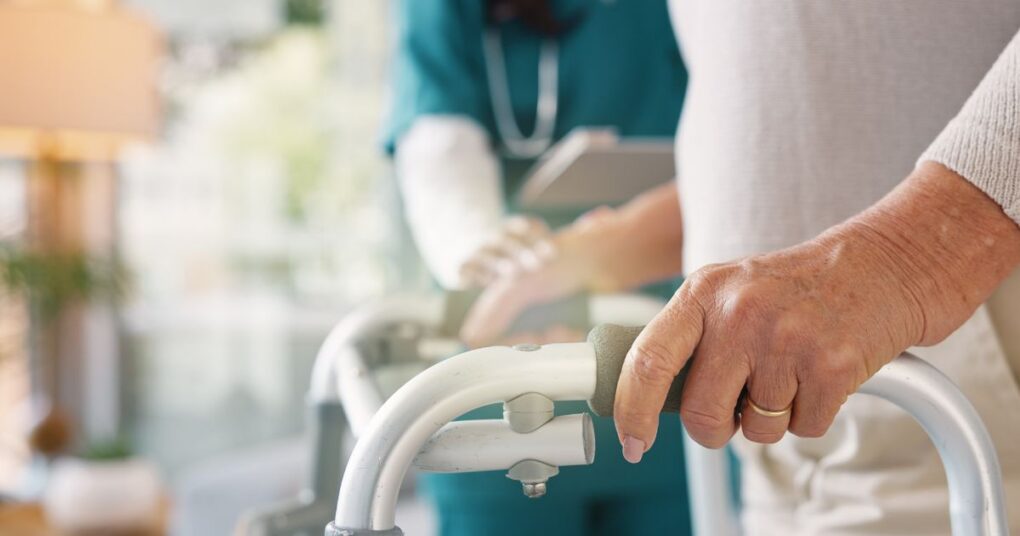
Hospitalization and recovery often require a lot of energy and stamina. Therapy after surgery, illness, or injury can help your loved one rebuild strength and function. The doctor may recommend physical therapy, speech therapy, occupational therapy, or a combination in a Skilled Nursing setting. The type of therapy and how long it takes will vary from person to person.
At The Healthcare Center at Buck Creek, our compassionate team treats every individual like family. We’ll build your loved one’s care plan with their unique needs in mind, with input from you, to give them the best chance of a strong recovery after a hospital stay.
What to Know About Therapy After Surgery, Illness, or Injury
- Therapy during recovery from hospitalization can help prevent injuries and rebuild strength and function.
- The three main types of therapy are physical therapy, occupational therapy, and speech therapy.
- Your loved one’s therapy combination will be built around their individual needs in a care plan built specially for them.
Table of Contents
Why Older Adults Often Need Therapy After Surgery, Illness, or Injury
What Therapy Could Look Like for Your Loved One
A Plan Built Around the Person
Why Older Adults Often Need Therapy After Surgery, Illness, or Injury
Hospitalization can leave anyone feeling weak or exhausted, and in some cases, change the way people can move. Older adults often need support during recovery because they are more prone to injury during this time. In some cases, an extended period of bed rest can lead to deconditioning and weakness, which can increase fall risk. Even without bed rest, doing too much too soon could lead to muscle strains or injuries to the surgical site.
With therapy during post-hospital recovery, many older adults regain strength and function or learn new techniques for moving safely and independently.
What Therapy Could Look Like for Your Loved One
Recovery after hospitalization looks a little different for everyone. A personalized care plan accounts for the reason for your loved one’s hospitalization, whether they had surgery, their overall health, and pain levels. During care planning in Short-Term Rehab, team members set goals and milestones, then adjust along the way if progress stalls or moves faster than expected. The three primary therapy types include:
- Physical therapy: rebuilding strength and range of motion through carefully planned exercises to regain functions such as walking, using stairs, and getting in and out of bed or chairs
- Occupational therapy: gaining skills to regain previous functions or develop new techniques to perform daily tasks safely, such as dressing, bathing, and toileting
- Speech therapy: regaining speaking ability, word recall, and the ability to swallow safely
Physical and occupational therapies are common after joint replacement surgery. If your loved one is recovering from a stroke, they may need all three. If they’ve spent time on a ventilator or had a feeding tube, speech therapy may be recommended to help with swallowing.
At Buck Creek, we’re dedicated to promoting healing, independence, and a better quality of life. And we want that for your loved one as soon as possible. Your care needs don’t automatically stop on the weekend, and neither should therapy. That’s why we offer all three categories seven days a week.
A Plan Built Around the Person
At Buck Creek, short-term senior care revolves around people, not programs. The combination of therapy your loved one receives may look different from someone else hospitalized for similar reasons, because every care plan is built with their complete health picture in mind. Our interdisciplinary team meets daily to monitor progress, adjust the intensity of therapy, and reset timelines based on how they progress. Our team’s dedication, warmth, and heartfelt care make all the difference.
If your loved one is hospitalized and the doctor has mentioned Short-Term Rehab, we’d love to talk to you about how we can help your loved one get back to doing what they love. Contact us now to schedule a tour.